
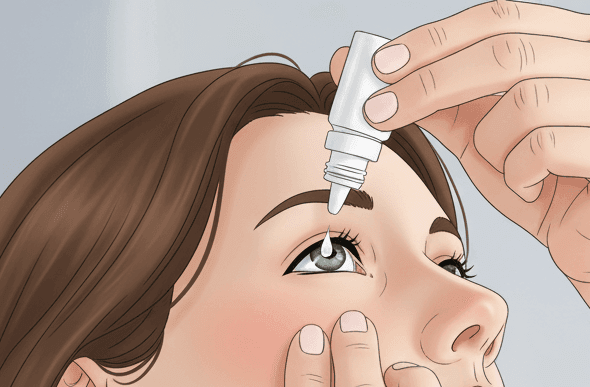
Many people use artificial tears also called lubricant eye drops, to deal with dry or itchy eyes. But did you realize overusing them might leave your eyes feeling worse? Experts warn that using artificial tears may damage your eyes instead of improving them. Choosing the right eye drops and learning about potential risks can help protect your eyes and keep them comfortable.
📌 Key things to understand:
- Overusing artificial tear drops could make dry eye symptoms harder to manage.
- applying drops with preservatives might harm your eyes.
- It is better to choose preservative-free options if you use them .
- Visit a doctor if your dry eyes don’t get better.
- Applying eye drops the right way reduces risks and helps them work better.
This article explains the harm of overusing artificial tears when to consult a doctor, and safe usage tips all based on research.
👁️ What Are Artificial Tears, and Why Do People Rely on Them So Much?
More people today rely on dry eye drops because they look at screens for long hours, which causes digital eye strain. These lubricating drops ease dry eyes by reducing irritation from screen use, contact lenses, or environmental factors. However, not all drops work the same way. Some contain preservatives to prevent bacteria, but frequent use can harm the cornea and disrupt the eye’s natural tear film.
Using over-the-counter drops more than six times a day those with preservatives, could worsen dryness or redness. It might also mask undiagnosed eye problems. Research in optometry shows that preservative-free drops reduce this risk and give safer longer-lasting relief.
🧴 Which Is Better: Preservative-Free or Preserved Eye Drops?
The debate between preservative-free and preserved eye drops revolves around safety problems linked to artificial tears. Experts suggest using single-use preservative-free options like Refresh Optive Sensitive or EZ Tears if you need drops over four times daily. Studies have found preservatives in even well-known brands can harm the protective layer of your eyes. This damage might worsen symptoms or slow down the healing process.
Some preserved eye drops have caused allergies or infections, prompting recalls by organizations like the FDA and international safety boards. Preservative-free eye drops however, are considered better if you have sensitive eyes or wear contact lenses. These drops often include hyaluronic acid or polyethylene glycol. These ingredients deliver relief and keep your eyes moisturized.
💡 Handy Tips to Use Artificial Tears
Knowing when to use artificial tears and how much is key.
- Pick preservative-free drops to find relief more .
- Avoid reusing single-use vials to prevent spreading bacteria.
- Do not use the drops more than six times daily unless your doctor approves it.
- Store the bottles and replace them as advised.
- Visit an eye doctor if your eyes remain dry or don’t improve.
To protect your eyes while wearing contacts, pick rewetting drops made for use with lenses. Some brands like Refresh Tears provide options suited for everyone, including contact lens users.
🔍 Final Thoughts: Take Care of Your Eyes with Wise Decisions
Quick recap: Using artificial tears too often ones with preservatives, can make your eyes feel worse. Pick preservative-free options like Refresh Optive or single-use vials if you’re using them regularly. Practice safe habits, and see an eye doctor if discomfort sticks around or if you notice symptoms like blurry vision.
Artificial tear drops can give temporary comfort but might not fix what’s causing your dry eyes. If the problem doesn’t go away, talk to your eye doctor about other treatments, like prescription eye drops or checking for things like hormonal shifts or autoimmune conditions that might be behind it.
Choosing the right artificial tears and using them helps you keep a healthy tear film, feel more comfortable in your eyes, and live better overall.