
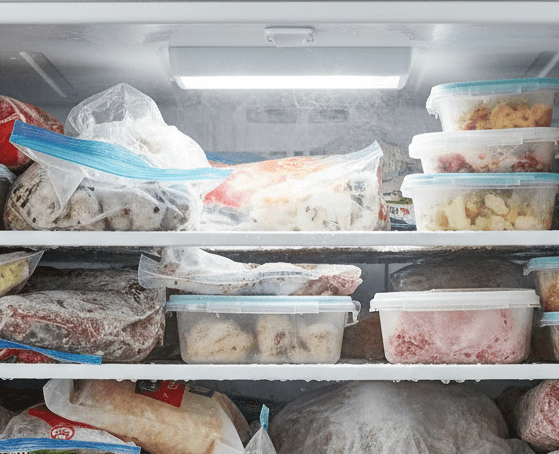
It’s a common scenario. You check your freezer and spot some fish that’s been sitting there for months. Can you still eat it? What if it’s not fish, but that beef from last year? A freezer might seem like a tool to pause time, but things aren’t that simple. Freezing prevents bacterial growth, but it can’t keep food quality intact forever. Understanding the basics of home freezing and proper thawing is crucial for maintaining both safety and flavor.
📌 Important Points to Understand
- Freezing fish and other seafood can keep them good for 3 to 8 months, but their quality starts to decline after a while.
- Freezer times differ for various foods. Beef can be stored for up to a year, while vegetables last 8 to 12 months.
- Some items like hard cheese, lettuce, or mayonnaise don’t freeze well.
- Keeping food labeled and stored at 0°F or -18°C is very important to prevent temperature fluctuation.
- Thaw frozen food in the fridge or microwave. Never defrost it on the counter to avoid bacterial growth.
This guide explains how long you can freeze different foods, which ones freeze well, and tips to help keep your food fresh and safe to eat. We’ll also discuss the importance of cold food storage and provide a handy freezer storage chart for quick reference.
🧊 How Long Can Fish and Meat Stay Safe in Your Freezer?
Freezing at 0°F (-18°C) keeps bacteria from multiplying, but it does not stop the gradual loss of flavor or texture. According to the USDA, FDA, and global food safety authorities, these are the recommended maximum storage times to maintain the best quality:
Fish and Seafood:
- Keep raw fish frozen for 3 to 8 months.
- Store cooked fish in the freezer for 1 to 4 months.
- Freeze shellfish for 3 to 6 months.
Meat:
- Raw beef can stay good in the freezer for as long as 12 months.
- Whole chickens last about 12 months when frozen.
- Chicken parts remain good for up to 9 months.
- Ground meat is safe for 3 to 4 months in the freezer.
- Bacon and sausage should be frozen for 1 to 2 months.
Other Foods:
- Vegetables: 8-12 months
- Cooked leftovers: 2-4 months
- Bread: 3 months
Why not freeze food forever? Even though frozen food stays safe to eat after this time, its quality drops over time. Fish has more fat and water than beef, so it can develop freezer burn and weird flavors faster. For instance, three-month-old salmon is safe to eat but might taste like it spent too much time in the freezer.
According to the FDA and Healthline, freezer burn happens when water escapes and air touches the surface of your food. This creates those annoying large ice crystals we’ve all seen. It won’t make food unsafe, but it ruins the taste and texture. Proper packaging, such as using freezer paper or vacuum packaging, can help prevent this issue and maintain peak quality.
🚫 Foods You Should Never Put in Your Freezer
Not everything handles being frozen well. Some foods get mushy, fall apart, or just aren’t the same after thawing:
Watery veggies: Foods like lettuce, celery, cucumbers, and radishes don’t freeze well. Ice forms and breaks their cell walls, so they come out soggy and not tasty.
Dairy items: Hard cheeses crumble because the fat separates. Creamy sauces and mayonnaise fall apart and lose their silky feel. Yogurt might split too, though you can try mixing it back together.
Eggs in their shells: Freezing makes the liquid inside expand, which can crack the shell and let bacteria in. If you want to freeze eggs, crack them open first and put them in something airtight like freezer bags.
Fresh coffee beans: Open bags suck in moisture and smells from other foods. This can mess up the fresh-roasted taste you spent money on.
Here’s why this happens. It’s all about science. Freezing makes tiny ice crystals, which damage cell membranes. This is worse for foods with fragile textures or things like emulsions. Food safety expert Harold McGee puts it, “The freezer preserves, but it doesn’t improve quality.”
One exception exists though. Cooked vegetables and soups freeze well since cooking already breaks down their cell structures. When freezing fresh fish, it’s important to do so quickly to maintain its nutritional quality and texture.
📦 How to Organize Your Freezer and Stop Wasting Food
A messy freezer leads to wasted food. Food experts suggest these steps to keep your freezer tidy and optimize your cold food storage:
Write dates on everything: Use a permanent marker to mark the freeze date and what’s inside on each package. This helps you avoid ending up with mystery food you can’t recognize months later.
Use old stuff first: Push newer items to the back and move older ones to the front. This way, you’ll eat food before it loses its best flavor or texture.
Portion out before freezing: Split big amounts into portion sizes so it’s easier to thaw what you need. For instance, you could freeze ground beef in 1-pound bags or wrap chicken breasts individually.
Keep the freezer cold enough: Set your freezer to stay at 0°F, which is -18°C or colder. Fluctuating temperatures often lead to freezer burn and make food lose quality.
Clean your freezer every month: Use a calendar reminder to check what’s in your freezer. Throw out anything expired and make meals with foods that are close to their storage limit.
One family showed how this works. They cut their food waste by 40% just by following these steps. They made a simple inventory list, stuck it on their fridge, marked off items as they ate them, and wrote down foods to eat soon.
A study in the Journal of Food Science shows good packaging and keeping freezer temperatures controlled can make food last 30-50% longer than careless storage. Using proper materials like plastic wrap, aluminum foil, or waxed paper cartons can significantly extend the shelf life of your frozen foods.
🔥 Defrosting Frozen Food
This is a spot where people can make food safety mistakes. Never, under any circumstances, thaw your meat or fish on the kitchen counter.
Bacteria grow at room temperature, which is around 68 to 77°F or 20 to 25°C. If your fish is frozen in the middle, the outside can still get too warm and unsafe in just about an hour. Proper thawing is crucial, especially when it comes to thawing frozen fish or previously frozen seafood.
Ways to thaw food safely:
Thawing in the fridge (safest option): Put frozen food on a plate or in a container and leave it on the fridge’s bottom shelf. It takes longer often overnight, but keeps the food at a safe temperature. Thawing a 1-pound pack of ground beef takes a full day.
Microwave thawing (fast meal prep): Set the microwave to defrost mode and start cooking right after thawing is done. Microwaves can cause warm spots in food where bacteria multiply so do not let it sit after defrosting.
Cold water thawing (quicker alternative): Place the food in a sealed, leak-proof bag and put it in cold water. Swap the water every half hour. A one-pound pack will thaw in an hour.
Do not refreeze thawed food unless you cook it beforehand. Freezing and thawing again harms food quality and raises the chance of bacteria spreading. This is especially important when dealing with seafood; refreezing seafood can significantly impact its texture and safety.
The UK Food Standards Agency says thousands of people get sick every year because they do not defrost food properly. Avoid being one of them by following these guidelines for proper thawing.
Final thoughts
Your freezer works well to cut down on food waste and make meals easier, but it doesn’t freeze time. Stick to storage times the experts suggest. You can freeze fish between 3 and 8 months, beef for up to a year, and most veggies for 8 to 12 months. Put labels on everything, keep the right temperature, and defrost food in the fridge or microwave.
Avoid freezing things like watery vegetables, dairy, or eggs still in their shells since they don’t handle freezing well. If you clean it out and organize it, you’ll have tastier food and waste less too.
Want to get started? Schedule a monthly reminder to check your freezer inventory today. Use labels, make sure the freezer temperature is right, and sort out everything inside. You’ll appreciate it later, and so will your budget.
Remember, while freezing is an excellent method for long-term food storage, it’s not perfect. Slow freezing can lead to larger ice crystals, which can damage food cells and affect texture. Rapid freezing at home, while not as effective as commercial methods, can help minimize this issue. Always aim to freeze foods at their peak quality to ensure the best results when you eventually thaw and consume them.
Lastly, don’t rely solely on appearance or the sniff test for determining if frozen food is still good. While these can be helpful indicators, following the recommended storage times and proper freezing techniques are your best bet for maintaining food safety and quality in your home freezing endeavors.